1 min read
How to Set-Up and Conduct an Acid Fast Stain
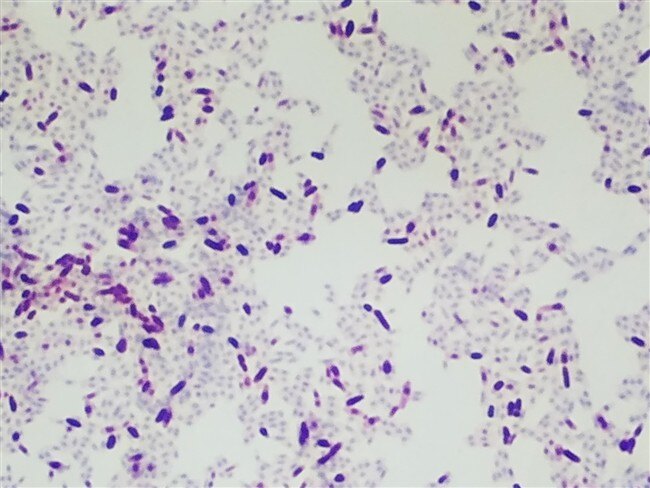
Acid Fast stain – Ziehl Neelsen
2 min read
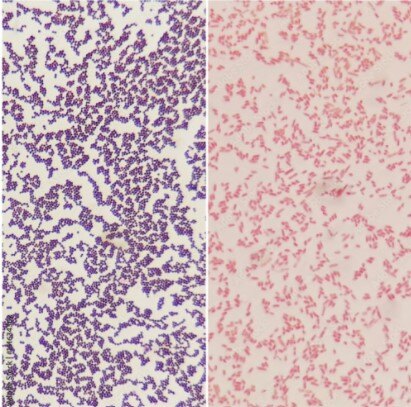
Gram staining allows us to differentiate bacterial species into two large groups, Gram-positive and Gram-negative, based on the properties of their cell walls. Gram-positive bacteria, such as staphylococci (“staph”), streptococci (“strep”), and pneumococci, retain the color of the crystal violet stain in the Gram stain and appear purple. Gram-negative bacteria, such as meningococci (bacterial meningitis) and the bacterial organisms that cause cholera, don’t retain the violet stain color in Gram’s method and instead take on the red color of the counterstain.
Typically, a misdiagnosis of Gram stains is due to issues with the stain protocol. These issues can cause Gram stains to decolorize too quickly (falsely suggesting Gram-negative bacteria) or too slowly (falsely suggesting Gram-positive bacteria). Try these tips to correct protocol-caused issues and stop your stain from decolorizing too quickly.
False Gram-negative stains can cause a plethora of issues for patients, so if these fixes aren’t working for you, please call the technical help team at 856-224-0900 or email at info@ethosbiosciences.com
Read more on Gram stain protocol fixes and other common microbiology stain troubleshooting in our ebook, Lab Technician’s Guide to Troubleshooting Common Issues with Biological Stains.
1 min read
Looking to improve nuclear staining in your histology slides? We can help! Histology specimens generally require a clear distinction between the...
1 min read
Wright’s stain and Wright-Giemsa stain were created to make blood cell morphology more visible. They contain both eosin and methylene blue to...